

Exchange Bank
Updated Wed September 9, 2026
Published Under: Cyber Security
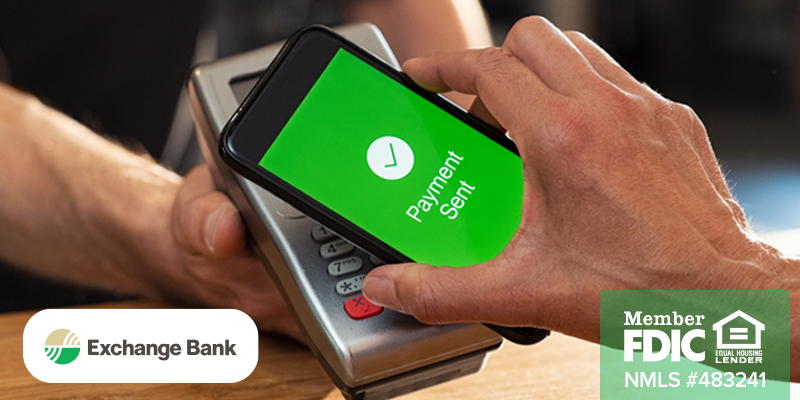
Sending money digitally has become part of everyday life. From splitting dinner with friends to paying rent, buying gifts, or helping family during the holidays, apps like Venmo, Zelle, and Cash App make it fast and easy.
Unfortunately, that speed and convenience also make these apps a favorite target for scammers. That’s why staying informed is one of the best ways to stay protected.
And as part of our ongoing Security Education Series, the team at Exchange Bank of Northeast Missouri is here to share our top tips to help you recognize scams early, avoid costly mistakes, and use digital payment tools with confidence, especially during the busy holiday season.
Quick Navigation
- What makes payment app scams so common
- How Venmo, Zelle, and Cash App scams usually work
- Red flags that should make you pause
- What payment apps will never ask you for
- How to use digital payment apps more safely
- What to do if you think you’ve been scammed
- Why banking local matters when fraud happens
Why Payment App Scams Are So Common Right Now
Digital payment apps work a lot like cash. Once money is sent, it’s usually gone, and that’s exactly why scammers like them.
These scams are increasing because:
- Payments happen instantly
- Many transfers can’t be reversed
- People trust familiar apps
- Holiday seasons create urgency and distraction
Younger users, in particular, rely heavily on digital payments. Scammers know this and often target people who are comfortable moving money quickly without stopping to double-check details.
Read More: Venmo, PayPal, Cash App, Zelle: Comparing Popular Payment Apps
How Venmo, Zelle, and Cash App Scams Usually Work
While the stories change, most payment app scams follow predictable patterns. Knowing them can help you spot trouble before money leaves your account.
The Accidental Payment Scam
Someone claims they sent you money by mistake and asks you to send it back. The original payment later disappears because it was fake or reversed, leaving you out the money you sent.
Fake Friend or Family Requests
A scammer hacks or imitates someone you know and sends a casual message like, “Hey, can you send me $50 real quick?” During the holidays, these messages feel believable.
Online Marketplace Scams
You buy something through Facebook Marketplace or social media. The seller insists on Venmo, Zelle, or Cash App only. Once you pay, the item never arrives.
Fake Customer Support Messages
You receive a text or email pretending to be from Venmo, Zelle, or Cash App claiming there’s a problem with your account. You’re asked to click a link, provide login details, or share a verification code.
Red Flags That Should Make You Pause Before Sending Money
If you notice any of these warning signs, stop and take a breath:
- Pressure to send money immediately
- Requests that don’t quite make sense
- Payment requests from someone you weren’t expecting
- Messages asking you to move the conversation off the app
- Requests for verification codes or screenshots
- Claims that “this is the only way” to pay
Scammers rely on urgency. Slowing down is often enough to stop a scam.
Keep Reading: Cybersecurity Awareness Month: 7 Security Tips for Your Bank Info
What Venmo, Zelle, and Cash App Will Never Ask You For
Legitimate payment apps will never ask for:
- Your password
- Your full debit card number
- One-time security codes
- Screenshots of your account
- Remote access to your phone
If someone asks for any of these, they are not who they claim to be.
How to Use Digital Payment Apps More Safely
You don’t need to stop using payment apps — you just need to use them wisely.
Smart Habits That Reduce Risk
- Only send money to people you personally know
- Double-check usernames phone numbers and emails
- Turn on two-factor authentication
- Enable transaction alerts
- Keep app conversations inside the app
- Treat digital payments like cash
Explore More Security Resources
Holiday Tip
Scammers know the holidays are busy and emotional. If a request comes in while you’re distracted, pause and verify before sending money.
What to Do If You Think You’ve Been Scammed
If you suspect fraud:
- Stop sending money immediately
- Report the transaction inside the app
- Change your passwords and enable extra security
- Contact Exchange Bank of Northeast Missouri right away
- Monitor your accounts closely
The sooner you act, the better your chances of limiting damage.
Monitor Accounts Now via Online Banking
Why Banking Local Matters When Fraud Happens
When fraud strikes, having a local bank makes a difference.
With large national banks, help often means long wait times and call centers. At Exchange Bank of Northeast Missouri, you get:
- Real people who know you
- Local guidance, not generic scripts
- A team invested in protecting our communities
From Kahoka and Lancaster to Memphis, Palmyra, Queen City, Shelbyville, and Wayland, we’re here to help you bank securely and confidently.
This blog builds on other topics in our Security Education Series, including spoofing calls, smishing texts, fake check scams, and romance fraud — all designed to help you stay one step ahead.
View All Cybersecurity Articles
Bank Confidently This Holiday Season
Digital payments are convenient, and when used carefully, they can be safe. Awareness is your best defense.
If something doesn’t feel right, trust your instincts, and call us before you act. We’re always happy to help you double-check a situation or answer questions about safe banking.
Visit a local branch, explore our secure online and mobile banking tools, or reach out to our team anytime.
Member FDIC, Equal Housing Lender, NMLS#EBNEMO
Comments